Expert Analysis, Local Market News & Advice for Yorkshire
Welcome to Adair Paxton Insights – your trusted source for the latest news, expert analysis, and practical advice on the Yorkshire property market.
With over 165 years of experience as surveyors and property specialists in Leeds, we are uniquely positioned to offer valuable perspectives for buyers, sellers, landlords, tenants, and investors.
Stay informed on local market trends across Leeds, discover tips for whichever area of property interests you, and get updates from the Adair Paxton team. We’re here to share our experience and expertise and to help you along the way.
Autumn buyers are back. How to sell your Leeds home well this September.
In this blog:
Are buyers really back after summer, or is that what agents say every September?
Asking prices fell in August. Does that mean my Leeds home is worth less?
Should I wait until after the Budget or until mortgage rates come down?
How much does my asking price matter in the first two weeks?
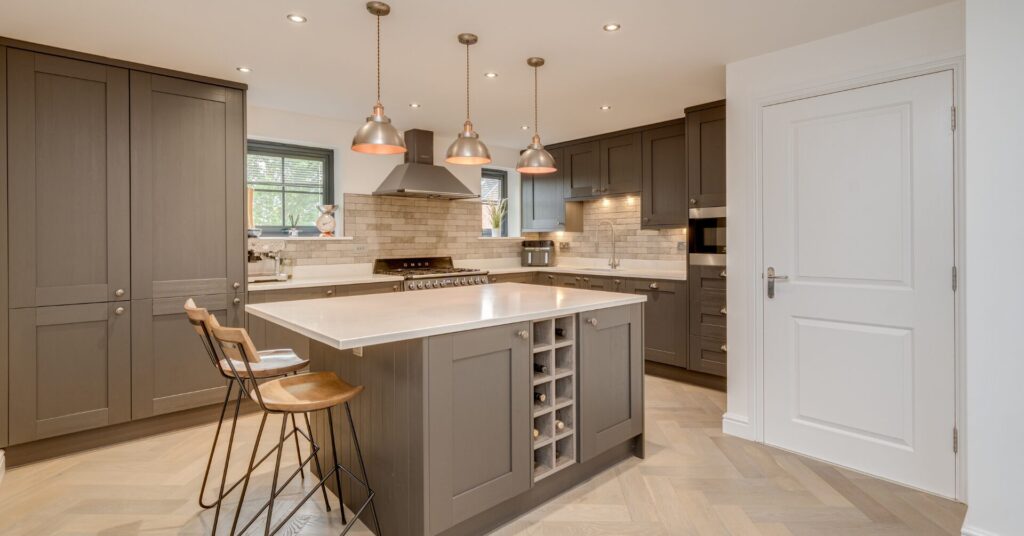
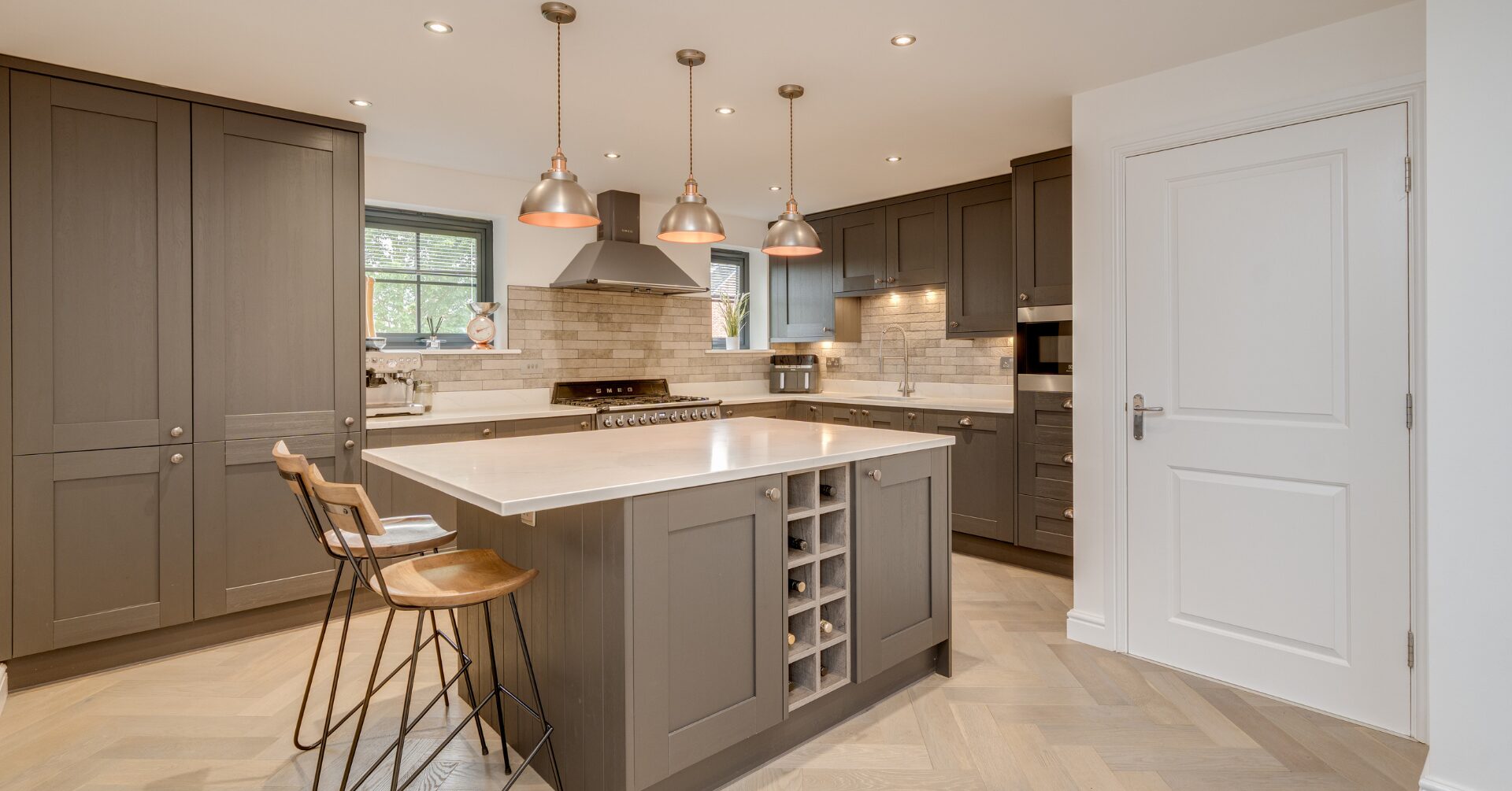
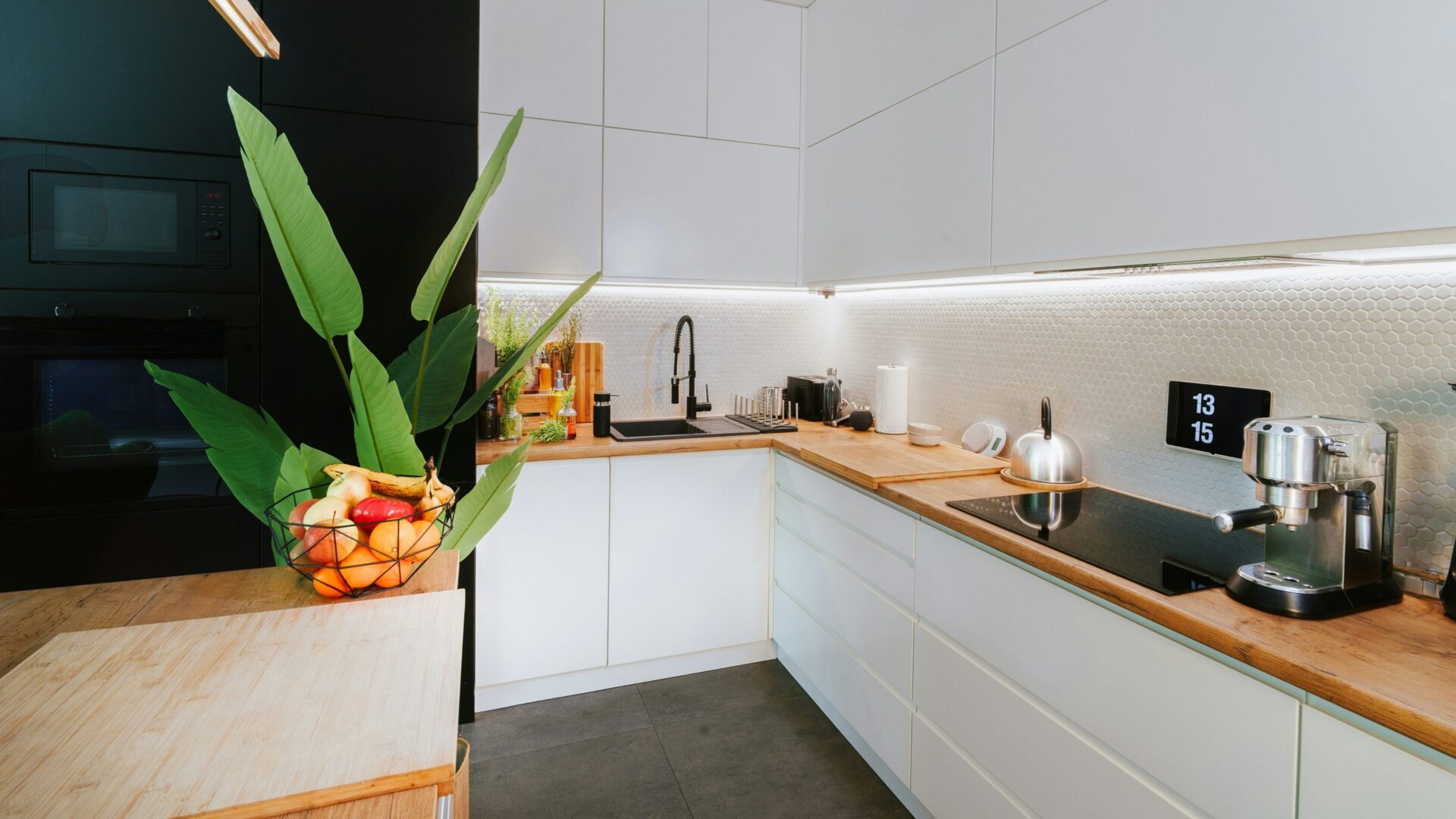
Is it worth fitting a new kitchen before I sell?
If I want to be moved in before the New Year, when do I need to list?
What makes Adair Paxton different from other estate agents in north Leeds?
If you have been waiting for the right moment to sell, we should be straight with you. It has arrived, and it does not look like the Septembers you might remember. The buyers who paused over summer are back, and there are more of them than there were in July. They are also walking into the widest choice of homes available at this time of year since 2014.
That changes what you need to do. Listing in September used to carry you a long way on its own. This year it gets you to the starting line alongside everybody else, and what happens next depends on decisions you make in the fortnight before your home goes live.
That is not a reason to wait. It is a reason to be deliberate. Here is what we would tell you if we were sitting in your kitchen.
Why September alone no longer sells your Leeds home
Some of the hesitation that was holding buyers back has cleared. Rightmove recorded a 5% rise in buyer demand in the weeks after Andy Burnham became Prime Minister on 20 July, helped by his confirmation that stamp duty will not change at October’s Budget. If you were holding off to see what the Budget might do to your move, you already have your answer.
What has also changed is how much you are up against. The number of homes for sale is at a twelve year high for the time of year, and the average asking price of a newly listed home fell 2% in August, the largest August drop since 2018. That figure is about how sellers are pricing, not what homes are worth. It tells you the people coming to market alongside you are pricing to compete from day one, and that your buyer will see four or five other homes the same week they see yours.
What your home in Horsforth, Adel or Roundhay is actually worth
The national headlines are dragged down by the south, so they are telling you very little about your own street. Asking prices across northern England are up 1.5% on August last year, while London is down 3.1%. Closer to home, the average Leeds property bought with a mortgage reached £250,000 in May, up 3.8% over twelve months, with semi detached homes up 4.7%.
If you own a semi in Horsforth, Cookridge, Adel, Roundhay or Moortown, that last figure is the one that applies to your home. Your value has not gone backwards. What has changed is how hard you will have to work for the attention of the buyer who wants it.
Your asking price will decide your sale
Almost everything about how your sale goes is settled in your first two weeks. That is when your home is new, when buyers with a saved search see it the day it appears, and when the people who have been looking for months finally get something they have not already rejected. Viewings in that fortnight are what create competing offers, and competing offers are what get you your price.
Price ambitiously and you lose that window. Every quiet week afterwards makes your listing look older to buyers who have already scrolled past it, and the reduction you make in November will not win it back. Buyers read a price drop as confirmation that your first figure was wrong, and they offer accordingly. We have watched a good many sellers accept less in the winter than an accurate September price would have brought them.
So when we give you a market appraisal, it is built on what comparable homes on your streets have achieved in the last two or three months. Not what your neighbour is asking. Not what the market was doing in 2024. If the figure you were hoping for is not the one that will get you sold, we will say so, because the alternative costs you more.
What to do before your home goes live
Get your photographs taken while the gardens still hold and the light is good. By late October the same house photographs noticeably worse, and your listing lives with those images for months.
Make sure your listing is written for your buyer. What a family moving to Adel for the schools needs to know is not what a buyer looking at a city centre apartment needs to know.
Instruct your solicitor now rather than when an offer arrives. It takes weeks out of the process at the far end, when weeks are hardest to find.
One thing worth saying plainly. If you are thinking about a significant improvement before you sell, a new kitchen or a new bathroom, ask us before you commit. It rarely returns what it costs, because every buyer has their own taste and the kitchen you choose is not the one they would have chosen. We would rather tell you that now than watch you spend the money and find out later.
If you want to be moved before the New Year, sell now
A typical purchase takes twelve to twenty two weeks from offer accepted to completion, longer with a chain or a leasehold. Launch in early September, agree a sale in October, and you have a realistic path to being in your next home before or shortly after Christmas. Launch in late October and you are looking at February.
Waiting for borrowing to get cheaper is unlikely to help you either. The base rate has sat at 3.75% since December, three members of the Bank of England committee voted to raise it in July, and average two year fixed mortgage rates are back above 5%. The direction of travel is not currently downwards.
Why sellers across north Leeds choose Adair Paxton
We started as chartered surveyors in 1859 and we still price your home the way surveyors do, from evidence rather than optimism. That is what you will notice at the appraisal, and it is why our sellers tend not to be the ones reducing in November.
It also means we can look at your whole position rather than one transaction. If you are weighing up whether to sell or let, or you own more than one property, sales, lettings, management and professional work all sit under one roof here, so you get a straight answer rather than a referral.
Book a market appraisal
If you are selling this autumn, the conversation worth having is the one before the photographs are taken. We will give you an honest view of what your home should launch at, what is worth doing first, what is not worth doing at all, and a realistic timeline from here.
Leeds office rents have hit a record £52.50 per sq ft. Does your building reflect that?
In this blog:
How much have Leeds office rents risen in 2026?
My rents were agreed in 2023. How do I know if they still reflect the market?
How do the new rateable values from April 2026 affect my business rates and lease renewals?
Has the EPC C by 2027 requirement for commercial property been dropped?
Why does the South Bank matter to a landlord who owns a building elsewhere in Leeds?
When should I take advice before a rent review or lease expiry?
Colliers published its latest regional office figures on 11 August. The top rent achieved in Leeds has risen again, to £52.50 per square foot, following a letting agreed by DAC Beachcroft at 31 Wellington Street. Gateley has agreed a deal at the same level, and quoting rents of £55 per square foot are now becoming standard.
For context, the highest rent in Leeds was £40 per square foot in the middle of 2025. By the end of that year it was £46. It is now £52.50.
If you own commercial property in Leeds and your current rents were agreed before that run, there is a gap between what your building earns and what the market now pays for space of its type. How large that gap is depends on the building. Whether you know the size of it is a different question.
A decade of delivery, not a decade of promises
Urban regeneration is easy to announce and hard to deliver. Most projects involve an ambitious masterplan, some compelling imagery and a timeline that quietly stretches. Leeds South Bank is different, and the difference is not in the plans. It is in what has actually been built.
Over the last decade, Monk Bridge delivered 665 apartments across five buildings above a restored Victorian viaduct, completed in 2023. Tower Works, a landmark waterside scheme next to the Leeds Canal, delivered on time in the same year. The Climate Innovation District already has residents living in its first completed phase. The CEG Temple development in Holbeck has delivered nearly 200,000 square feet of occupied office space, turning a former industrial area into a working commercial quarter.
These are not schemes approaching completion. They are places where people live and work today. The South Bank covers an area equivalent to 250 football pitches, backed by £500 million of public investment and billions in private capital, making it one of the largest urban regeneration projects ever undertaken in the UK.
The next phase is not waiting either. Aire Park, the mixed-use neighbourhood being delivered by Vastint on the former Tetley’s brewery site, is already operational and already attracting the kind of occupiers that show real market confidence. Jacobs, the global engineering and technology firm, has confirmed its move to South Brook Street. Northern Rail has chosen Aire Park for its new training hub and office. Ridge and Partners has selected it as its Yorkshire headquarters. The office buildings there have achieved WELL Platinum certification, one of the highest international standards for workplace quality, and Aire Park won Best Office Deal at the Yorkshire Commercial Real Estate Awards 2026.
Why the supply picture matters more to you than the rent figure
Grade A space means the newest, highest specification buildings in a market. In Leeds, the grade A vacancy rate sat at 0.9% at the end of the second quarter of this year, and Colliers expects it to fall further in the second half. The only new office space delivered in the city so far in 2026 has been Vastint’s 75,000 square foot Kellstone scheme at Aire Park, which reached practical completion in June and where around 26,000 square feet remains available.
Meanwhile occupier demand has come back sharply. Take-up in the second quarter reached 179,898 square feet, more than five times the first quarter figure and the strongest quarter since early 2025.
Here is the part that matters if you own an existing building in Leeds. With almost no new space available, occupiers who want to stay in the city centre are taking good quality second-hand space instead. Greencore signed for 39,468 square feet at Broad Gate on a fifteen year lease. There was further activity at Majestic, Platform and 34 Boar Lane in the same quarter. Demand is spilling out of the new-build market and into well-presented existing stock.
If you own that kind of building, your negotiating position is stronger than it was two years ago. It will only translate into rent if it is argued properly at the right moment.
Two things moving in the other direction
Rents are not the only number that has changed this year.
New rateable values took effect on 1 April 2026 and will run until March 2029. Rateable value is the Valuation Office Agency’s estimate of the annual rent a property could achieve on the open market, and it drives the business rates bill. Crucially, the 2026 figures are based on rental values as they stood in April 2024, well before the recent run in Leeds rents. There is also a supplementary charge for properties with a rateable value above £500,000, which brings larger offices and industrial assets into scope. Rateable value also sets the compensation payable to a tenant if you oppose a lease renewal on certain grounds under the Landlord and Tenant Act 1954, so a higher figure quietly increases that exposure.
On energy performance, the government published its interim response to the non-domestic Minimum Energy Efficiency Standards consultation on 18 June 2026. Two changes are worth knowing. The proposed requirement for all commercial lettings to reach an Energy Performance Certificate rating of C by 2027 has been dropped. In its place, buildings over 1,000 square metres will be expected to reach a B rating from 2031, subject to cost effectiveness, and still subject to secondary legislation. The current legal minimum remains E for all commercial lettings.
The deadline has moved. Occupier behaviour has not. Businesses in Leeds are choosing space on quality, environment and running costs, and a poor certificate now costs you at the negotiating table long before it costs you in law.
What we are seeing on the ground
Adair Paxton has operated in this market across generations. We have seen it in every condition and we understand what the current moment represents.
Will Tomlin from our commercial team puts it directly.
“We have watched Leeds change from the inside for many years, and the pace of that change in the last decade has been unlike anything we have seen before. What it has produced is a different kind of conversation with occupiers. Businesses coming to us today are not just asking about cost. They are asking about quality, environment, connectivity and talent attraction. Leeds is answering all of those questions convincingly now, and that is drawing serious interest from occupiers and investors who would not previously have had this city at the top of their list.”
That shift in the nature of enquiries is one of the clearest signals a market can send. When businesses stop asking whether a city is affordable and start asking whether it is the right environment for their people, the direction of travel is clear.
You can see the same energy outside the office market. The Roundhouse on Wellington Road, a Grade II* listed Victorian railway building empty since 2022, recently received planning approval for Ollo Padel to turn it into a sport, fitness and leisure destination. We acted in the letting and continue to manage the wider business park. It is a live example of the kind of opportunity this market is producing.
Where to go from here
If you have a rent review or a lease expiry in the next eighteen months, the gap between a well-advised and an under-advised position has never been wider in this city. A rent agreed against 2023 evidence in a market now transacting at £52.50 is not a small difference. It compounds for the length of the term.
We know which locations are gaining momentum ahead of the wider market. We know which assets represent genuine long-term value. We know the conversations that are happening before they reach the open market. And we will give you a straight view of what we see rather than the view that is easiest to give.
Talk to our commercial team about where your building sits against the current market, and what to do about it before your next lease event.
What to do in August to give your Leeds home the best possible chance this autumn.
In this blog:
Why August is the right time to start preparing
How to walk through your home as a buyer would
What to declutter and what to leave
The improvements that make a difference and the ones that do not
Why instructing a solicitor early matters
How a free market appraisal with Adair Paxton can help
If you are thinking about selling in north Leeds this autumn, the best thing you can do now is start preparing. Not in September, when the market reopens and everyone else is scrambling to get their homes ready, but in August, while there is still time to do it properly. Demand is there. The buyers who put their search on hold for summer will be back in September with fresh focus and real intent. But they will also have more to compare yours against, because September brings a fresh wave of new listings alongside those returning buyers. The homes that stand out are the ones that were ready before the rush. Here is exactly what that preparation looks like.
Walk through your home as if you were buying it
Before you do anything practical, do this first. Walk through your own home as if you were seeing it for the first time. Not as the person who has lived there for years and learned to look past the things that need doing. As a buyer.
That dripping tap. That door that does not quite close. The hallway wall that needs a fresh coat. The garden left since last summer. None of these individually will lose you a sale. Together they create an impression that the home has not quite been looked after. And here is the thing. When you are out viewing properties yourself, you will be doing exactly this. You will notice what needs doing and factor it into your thinking. Your buyers will do the same in yours.
The good news is that most of these things are not expensive to fix. They just need attention before the photographs are taken and before the first viewer walks through the door. If you find that the list is a long one, that is a useful conversation to have with us before you spend time or money on extensive improvements.
Declutter
You are moving. Everything in your home is going to need sorting at some point, so start now before the photographer arrives. A home with less in it looks bigger, lighter and more considered. Buyers need to be able to imagine themselves living there, and that is significantly harder when every surface is covered and every room feels full. Pack away what you are keeping, give away what you are not. Approach it with the mindset of someone who is already moving.
Do not reinvent your home. Address what actually matters.
The most common mistake sellers make is doing the wrong things rather than too little. Spending significant sums on a new kitchen before selling is rarely money well spent. Every buyer has their own taste. A brand new kitchen in your style is not necessarily the kitchen they would choose, and it does not always add the value you might expect. If you are considering a significant improvement before you sell, ask us first. We will tell you honestly whether it is likely to be reflected in the price.
What makes a genuine difference is fixing what needs fixing, presenting each room clearly and addressing the things buyers will notice. A room being used as storage should be set up to read as the bedroom or study it is supposed to be. Minor repairs that have been on the list should be done. These are small things that have a disproportionate effect on how a buyer experiences the property.
Think about kerb appeal
The outside of your home is the first thing every buyer sees, in the photographs and on the viewing. In August, with gardens still showing well and natural light at its best, it is the ideal time to photograph a north Leeds home. Cut the lawn. Clear the driveway. Tidy the front garden. Give the front door a fresh coat of paint if it needs it. First impressions are made in seconds and they are very difficult to undo.
Instruct your solicitor before you list
Most sellers do not think about their solicitor until an offer arrives. By then the process is already weeks behind where it could be. Choosing and instructing a conveyancer in August and gathering the relevant documents in advance directly reduces the time between offer and completion. That protects you against the chain delays that cause sales to fall through at the final stage.
Talk to us before you do anything else
The most valuable conversation you can have in August costs nothing. A free market appraisal with Adair Paxton gives you an honest, evidence-based view of what your home is worth in this market and what it will take to sell it well. We can also walk through the property with you and give specific advice on presentation before the photographs are taken, because getting the marketing right from day one is what drives results in those all-important first weeks.
We have been selling homes in north Leeds since 1859. If you are thinking about selling this autumn, we would be glad to help you use August well.
How to reduce void periods since the Renters’ Rights Act changed the game
In this blog:
What the Renters’ Rights Act changed for landlords
What a void period actually costs in 2026
Why tenants are more likely to leave now than before
Why the properties with the lowest void rates are better managed, not better located
The case for full management
Since 1st May 2026, your tenants have been able to leave at any time. No end of term. No complicated process. Two months’ written notice, served on the day rent is due, and they can go. Fixed-term tenancies no longer exist. Every tenancy in the private rented sector is now rolling, and that changes the calculation on how you manage your property considerably.
This blog sets out what that change means for void periods, what void periods actually cost, and why the landlords with the shortest voids are not the lucky ones.
What the Renters’ Rights Act actually changed
From 1st May 2026, most existing assured shorthold tenancies automatically became assured periodic tenancies. It is no longer possible to have a tenancy agreement with an end date. If your current agreement has an end date written into it, that clause no longer applies.
A tenant who wants to leave can now do so by giving two months’ written notice, served on the day rent is due or the day before. They do not need a reason. They do not need to wait for a fixed term to end.
For landlords, this is a direct change to the risk profile of every tenancy. A tenant who was previously anchored to a fixed term is no longer anchored to anything. The decision to stay is now entirely voluntary, made month by month, based on whether the property and the management meet their expectations.
What a void period actually costs
Most landlords underestimate the cost of a void period because they only count the rent they lose. The mortgage does not pause. The council tax does not pause. Insurance continues. There may be cleaning, redecoration or minor repairs before the next tenant moves in.
In 2026, the average cost of a void period in England is £1,135, based on an average empty period of 24 days. That figure represents a 12.9% increase from April 2025. In Leeds specifically, the average monthly private rent reached £1,135 in June 2026, up 2.9% from June 2025 according to the Office for National Statistics. That is what is at risk every time a tenancy ends.
Why void periods are more likely now
Under the old framework, a tenant who was broadly satisfied would often stay put because leaving meant navigating a fixed-term end date, a deposit return process, references, new agents and new paperwork. All of that created friction that worked in the landlord’s favour.
That friction has gone. A tenant with a niggling maintenance issue that has not been resolved, or who feels their landlord is hard to reach, or who simply finds somewhere they prefer, can now give notice at any point without penalty and without complication. The Renters’ Rights Act increases the importance of standards, administration and professional management. Issues such as damp, mould, heating failure and poor maintenance are likely to attract stronger scrutiny. Delaying repairs can become expensive quickly.
The properties retaining tenants for longer are not simply better located or more attractively priced than their competitors. They are better managed.
The case for full management
The landlords in north Leeds with the lowest void rates are not leaving their properties to chance. Maintenance requests are dealt with promptly. Compliance documents, gas safety records, electrical installation condition reports and energy performance certificates are renewed before they lapse. Rent reviews are handled correctly using Form 4A with the required two months’ notice. And when a tenant gives notice, the process of finding and properly referencing the right next tenant begins immediately.
At Adair Paxton, that is what full management means. Not a service that responds when something goes wrong, but a structured approach to the entire tenancy that actively reduces the likelihood of a void in the first place. Your tenancy agreements are current and compliant. Your compliance position is tracked. Your tenant relationship is managed throughout, not just at renewal.
If you are self-managing, or on a rent collection arrangement that does not include active day-to-day management, the question is not whether full management costs more than what you are doing now. The question is whether what you are doing now is actually cheaper once voids are accounted for.
If you would like an honest conversation about how your current arrangement is performing, and what full management with Adair Paxton would look like for your property, we would be glad to help.
Your north Leeds home is worth more than the headlines suggest this summer
In this blog:
Is the property market really as bad as the headlines say?
Prices are falling nationally. Does that mean my home in north Leeds is worth less?
Is summer actually a good time to sell, or should I wait?
My home has been on the market for weeks with no offer. What am I doing wrong?
If I want to complete before Christmas, when do I actually need to start?
What makes Adair Paxton different from other agents in north Leeds?
Pick up any property news from the last few weeks, and the story looks familiar. Asking prices across the UK fell by 0.6% in June, the biggest June price drop in fourteen years. The number of homes for sale is at a historically high level, and buyers are taking longer over decisions, with more choice and higher borrowing costs giving them less urgency than in previous years.
If you read that and concluded that now is the wrong time to sell your home in North Leeds, that would be an understandable reaction. It would also be the wrong one.
National averages tell you about the national market. They do not tell you about yours.
The UK property market in 2026 is not one market behaving in one way. There are dozens of local markets, each with its own supply and demand, buyer profile and recent price history. When prices fall sharply across southern England and Wales, the national average falls with them. The headlines follow the average.
Prices have fallen across all southern England regions and Wales, while more affordable northern areas are holding up better. Leeds is one of those northern areas. According to the Office for National Statistics, the average house price in Leeds was £244,000 in March 2026, up 2.3% from March 2025. The city has a more affordable base than the south, a stronger local jobs market than most UK cities outside London, and buyer demand that has held up considerably better than the national picture suggests.
The suburbs of north Leeds tell a particularly positive story. Areas like Horsforth, Cookridge, Roundhay, Moortown and Alwoodley continue to attract strong demand from families and professionals who value good schools, green space and easy access to the city centre. These are not areas where buyers disappear in summer. They are areas where the right home, priced and presented properly, finds a buyer.
We are now in the summer market. That is not the same as a closed market.
July and August are quieter than the spring peak. That is the normal seasonal pattern, and it is holding this year. Some buyers are on holiday. Some have paused their search while they enjoy the summer. The overall number of active buyers is lower than it was in April.
But the buyers who are searching in July are not casual browsers. They are motivated. A family that needs to be settled before September’s school term starts is not waiting until autumn. A buyer who accepted an offer on their own home in May needs to find their next property now, not in October. A relocating professional starting a new job in Leeds in September is actively searching today.
These are the buyers who make summer sales happen. The question for any seller is whether their home gives those buyers a compelling reason to choose it. In a market where buyers have more choice than they did a year ago, that question matters more than it used to.
What is actually separating the homes that sell from the ones that do not
Rightmove noted that over a third of new listings are not going on to sell, and that the market is price-sensitive, with buyers looking for the right property at the right price. That figure is not spread evenly across all properties. It is concentrated in homes that are overpriced, poorly presented, or both.
The pattern is consistent. A home that is priced aspirationally, rather than accurately, attracts fewer viewings in its first two weeks. Fewer viewings mean fewer offers. As weeks pass without an offer, the listing starts to look stale to buyers who notice how long it has been sitting there. The longer it sits, the harder it becomes to achieve the price the seller originally wanted. Many of those sellers eventually reduce their price to a figure lower than an accurate appraisal from the start would have suggested.
The homes that sell well this summer are the ones where the seller and their agent have done the work before the listing went live. Honest pricing. Professional photography. A description written for the buyer rather than the seller. Marketing that reaches the right people in the right places rather than simply sitting on a portal and hoping.
The autumn completions are being built right now
There is a practical timing point that many sellers overlook. The completions that happen in October and November, when the market traditionally picks up again after summer, are built on offers agreed in July and August. From offer to completion typically takes three to four months, accounting for solicitors, surveys, mortgage processing and conveyancing.
If your ambition is to be settled in your next home before Christmas, the instruction needs to happen now.
What Adair Paxton brings to a summer sale
We have been selling homes in north Leeds since 1859. Our background as surveyors means our appraisals are grounded in evidence rather than optimism. We will tell you what your home is genuinely worth in this market, which is the figure most likely to attract serious offers rather than the figure most likely to attract a price reduction three months later.
We combine honest market appraisals with professional photography and targeted marketing built around a genuine understanding of North Leeds. Horsforth buyers are often drawn by the commuter links and school catchments. Families searching in Roundhay and Moortown are weighing up space, parks and long-term roots. In Cookridge, it is frequently the combination of character, quiet streets and city access that seals the decision. We know what matters in each of these areas because we work in them every day.
If you are thinking about selling this summer, or if your property is already on the market and not performing as you hoped, we would welcome the conversation. We offer appraisals across North Leeds and will give you a straight answer about where your home sits and what we would do differently.
How to attract the best tenants to your rental property in Leeds this summer
In this blog:
My property has been listed for a few weeks and enquiries have slowed. What is going wrong?
What does the Renters’ Rights Act mean for me as a landlord in Leeds?
What are graduate and young professional tenants actually looking for in a rental property right now?
Why should I use a letting agent rather than managing the property myself this summer?
Every July, the north Leeds rental market quietly shifts gear. Thousands of graduates collect their degrees, pack up their student house in Headingley or Hyde Park, and start looking for something completely different. Somewhere that finally feels like it belongs to them.
This is the moment landlords with rental properties in Leeds should be paying close attention to because this kind of tenant is not just moving house. They are choosing, for the first time, what their life as an adult looks like, and they are going to choose carefully.
Leeds is pulling in graduate talent from across the country
Of all graduates working in Leeds, around 60% did not study in the city at all. They came for the jobs. That single fact tells you more about the strength of the Leeds rental market than almost anything else. This city is not just holding onto its own graduates. It is actively drawing in talent from Manchester, Sheffield, Newcastle and beyond, because the opportunities here are genuinely compelling.
Leeds is the largest legal and financial centre in England outside London. Channel 4 is headquartered here. The tech sector is expanding faster than almost any other regional city. West Yorkshire’s growth plan is backed by £7 billion of investment across digital, financial services, health, tech, creative industries and advanced manufacturing. These are careers, not jobs. And the people starting those careers need somewhere to live.
They are not buying yet. The average age at which people in the UK buy their first home keeps rising, and that is particularly true for graduates in their mid-twenties who are balancing student loan repayments, building savings for the first time, and working out what they can genuinely afford. Renting is not a fallback position for this group. It is a deliberate choice, and they are making it with their eyes open.
The question is whether your property is the one they choose.
What this tenant really wants, and what will make them walk away
The shift from student to professional renter is not subtle. This tenant has a clear picture of what they do not want, and they have the confidence and the income to act on it. They will spot the signs of a poorly maintained or under-managed property from the photographs alone, and they will move on without a second thought.
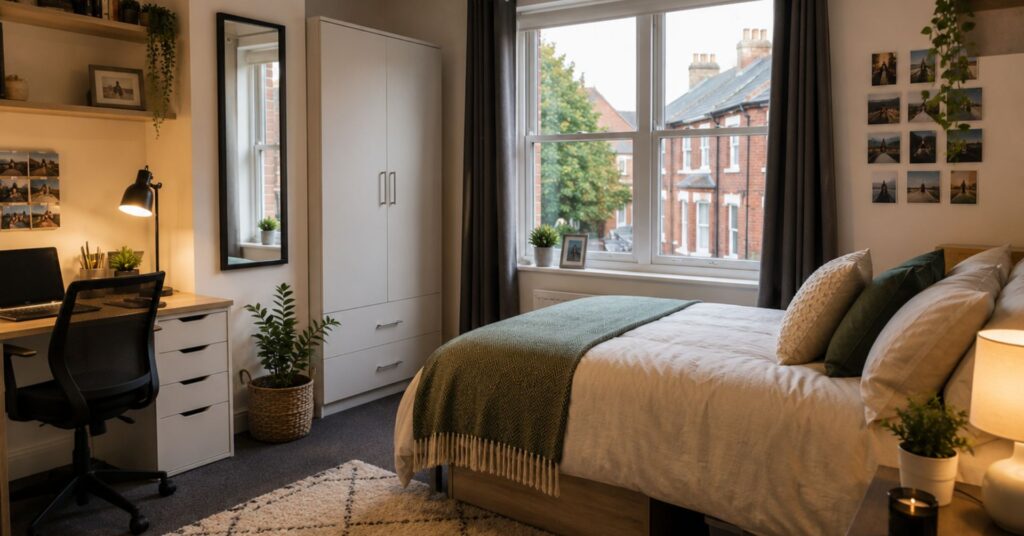
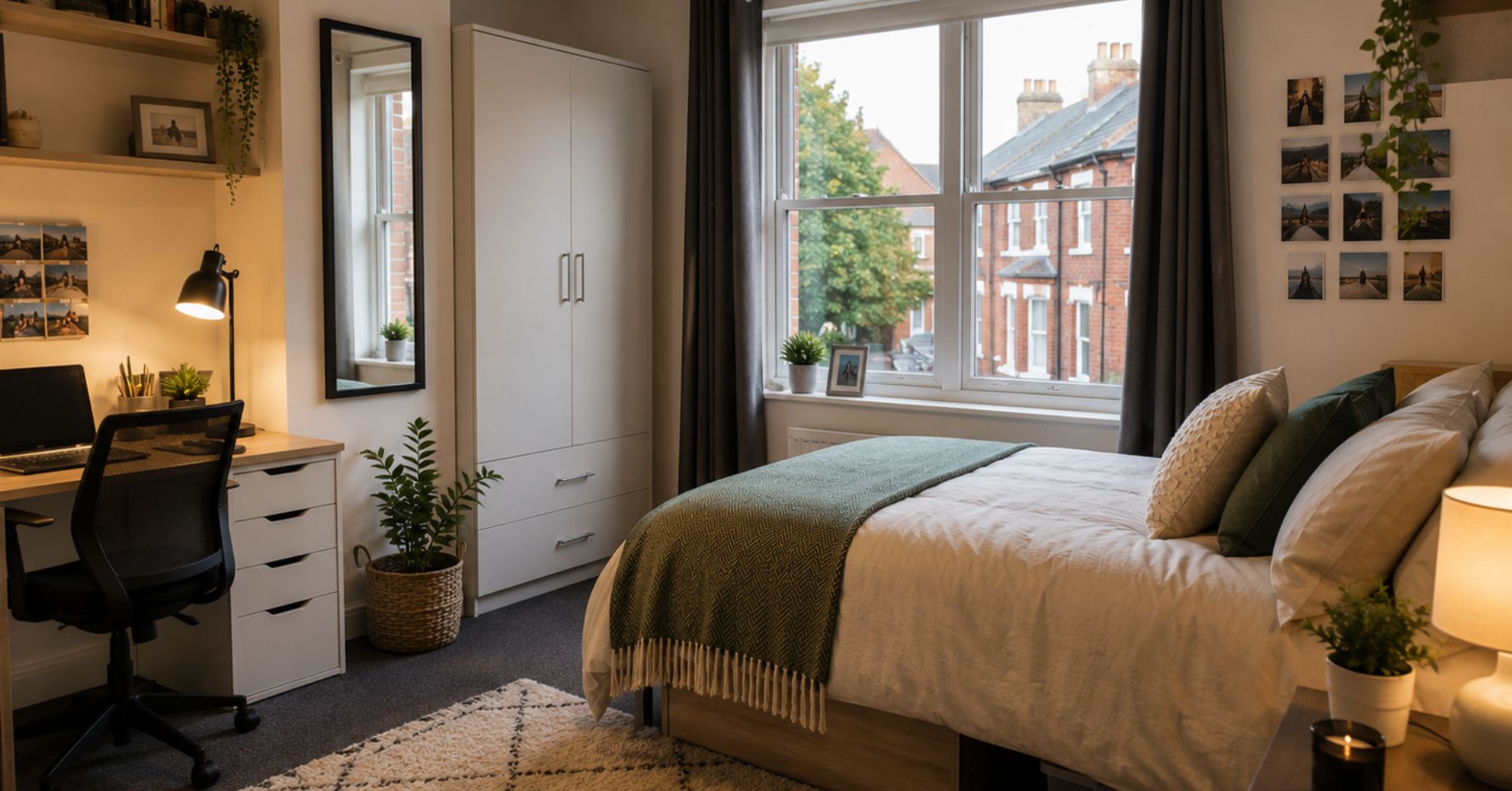
Presentation is the first filter, and it is ruthless. A rental property in Leeds that photographs well, looks clean and considered, and feels like somewhere a thoughtful adult would choose will generate significantly more enquiries than one that still carries the feel of a student let. This does not mean an expensive refurbishment. It means neutral walls, good natural light, modern fittings, and no visible wear that has not been addressed. It means the property looks on a viewing exactly as it looked online, because if it doesn’t, that tenant is gone.
Running costs are the second consideration, and this catches more landlords out than they expect. This type of tenant has a salary for the first time, but they are watching every outgoing carefully. Energy bills, energy efficiency and transparency about total monthly costs all play a significant role in their decision. A property with a strong energy performance certificate rating tells a prospective tenant that the headline rent is not hiding an expensive home to run. A poor rating will quietly deter the careful, financially literate applicant who sits down and works out the real monthly cost before they even book a viewing.
Management quality is the third factor, and for this tenant group, it is often the deciding one. A graduate who has spent three years dealing with an unresponsive letting agent or a landlord who takes a week to fix a boiler is actively trying to avoid that experience again. They will notice how quickly their enquiry was answered. They will notice how efficiently the viewing was arranged. They will ask questions about how maintenance is handled, because they have learnt to ask. A rental property in north Leeds that is managed professionally and feels organised from the first contact will consistently win the best applicants over an identical property that feels like nobody is really in charge. That is precisely how Adair Paxton manages every property, and it is one of the reasons our landlords retain good tenants.
Why summer 2026 is different from the last two summers
The Leeds rental market remains strong and demand across Horsforth, Roundhay, Moortown and Alwoodley continues to run well above pre-pandemic levels. But the dynamic has shifted from the exceptional pressure of 2022 and 2023. Zoopla has confirmed that time to let has lengthened in every UK region, and around 24% of rental listings were reduced in price during 2025. This is a market that has returned to rewarding quality and punishing mediocrity. The landlords who understand that are letting quickly. The ones who have not adjusted are sitting on longer voids than they budgeted for and wondering why.
A word on the Renters’ Rights Act, because your tenants already know about it
The Renters’ Rights Act came into force on 1 May 2026 and abolished fixed-term tenancies. All tenancies are now rolling, which means a tenant can give two months’ notice and leave at any point. For a graduate renting their first professional home, this is genuinely attractive. For landlords it raises the stakes on getting tenant selection right from the start. A well-presented property in a good location, managed professionally and marketed properly, attracts that tenant. It gives them a reason to stay. A property that disappoints on arrival, or that is managed poorly once the tenancy begins, gives a tenant on a rolling agreement every reason to start looking for somewhere better.
Four things to do before your property goes to market
The graduate tenant pool is already active. The best applicants are searching right now, and the properties that are letting quickly are the ones that were ready when those tenants came looking. If your property is coming to market this summer, these four things will directly affect how quickly it lets and who applies.
Get professional photographs taken. Most tenants will decide whether to request a viewing based on the listing alone, and the difference in enquiry levels between good photography and average photography is not marginal. It is substantial. Bright, clean, well-composed images of a well-presented property generate multiple viewings. Flat, dark, cluttered images generate hesitation.
Present the property properly before it is listed. Neutral decor, clean surfaces, all minor repairs completed, and good natural light. Think about the first impression, because that is the only impression that counts before the viewing.
Price it accurately against what similar properties in Horsforth, Roundhay, Moortown and Alwoodley have actually let for in the last two to three months. Not what you achieved in 2024. Not what you hoped the market would support. What it is actually achieving right now. An accurate price attracts the best applicants faster. An aspirational one creates a void that costs more in lost rent than a realistic price would ever have done.
Choose the right letting agent. In a market where the legislation has changed significantly, where tenant selection matters more than it used to, and where management quality is now part of what your tenant is actively assessing, the agent you choose has a direct impact on your rental income, your void periods, and your peace of mind.
At Adair Paxton, we have been letting and managing properties across north Leeds since 1859. We know this summer’s graduate and young professional tenant well, because we deal with them every day. We know what they are looking for, what will make them choose your property over the one listed next to it, and how to make sure they stay. If you would like an honest conversation about your property’s position and what we would do differently, we would be glad to help.