In this blog:
- Why August is the right time to start preparing
- How to walk through your home as a buyer would
- What to declutter and what to leave
- The improvements that make a difference and the ones that do not
- Why instructing a solicitor early matters
- How a free market appraisal with Adair Paxton can help
If you are thinking about selling in north Leeds this autumn, the best thing you can do now is start preparing. Not in September, when the market reopens and everyone else is scrambling to get their homes ready, but in August, while there is still time to do it properly. Demand is there. The buyers who put their search on hold for summer will be back in September with fresh focus and real intent. But they will also have more to compare yours against, because September brings a fresh wave of new listings alongside those returning buyers. The homes that stand out are the ones that were ready before the rush. Here is exactly what that preparation looks like.
Walk through your home as if you were buying it
Before you do anything practical, do this first. Walk through your own home as if you were seeing it for the first time. Not as the person who has lived there for years and learned to look past the things that need doing. As a buyer.
That dripping tap. That door that does not quite close. The hallway wall that needs a fresh coat. The garden left since last summer. None of these individually will lose you a sale. Together they create an impression that the home has not quite been looked after. And here is the thing. When you are out viewing properties yourself, you will be doing exactly this. You will notice what needs doing and factor it into your thinking. Your buyers will do the same in yours.
The good news is that most of these things are not expensive to fix. They just need attention before the photographs are taken and before the first viewer walks through the door. If you find that the list is a long one, that is a useful conversation to have with us before you spend time or money on extensive improvements.
Declutter
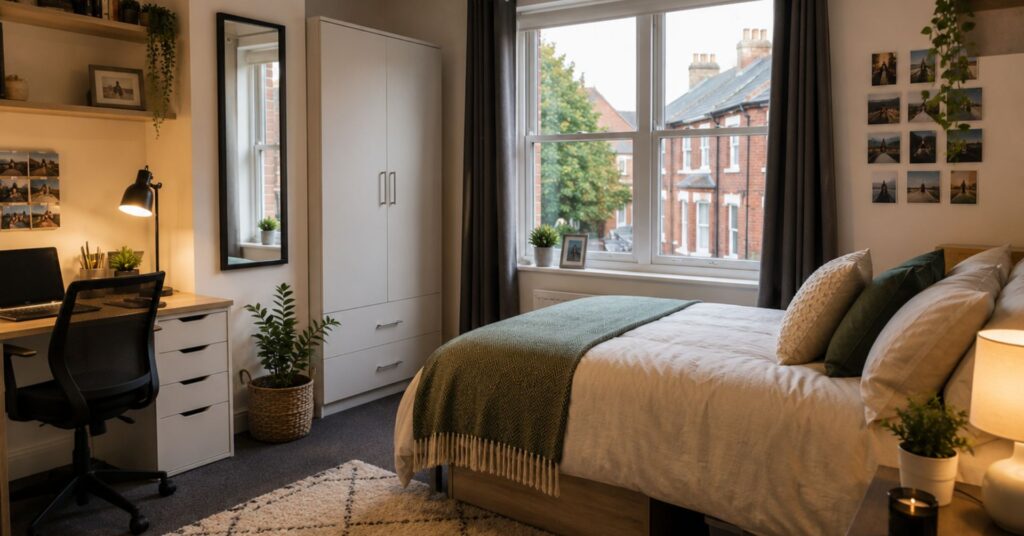
You are moving. Everything in your home is going to need sorting at some point, so start now before the photographer arrives. A home with less in it looks bigger, lighter and more considered. Buyers need to be able to imagine themselves living there, and that is significantly harder when every surface is covered and every room feels full. Pack away what you are keeping, give away what you are not. Approach it with the mindset of someone who is already moving.
Do not reinvent your home. Address what actually matters.
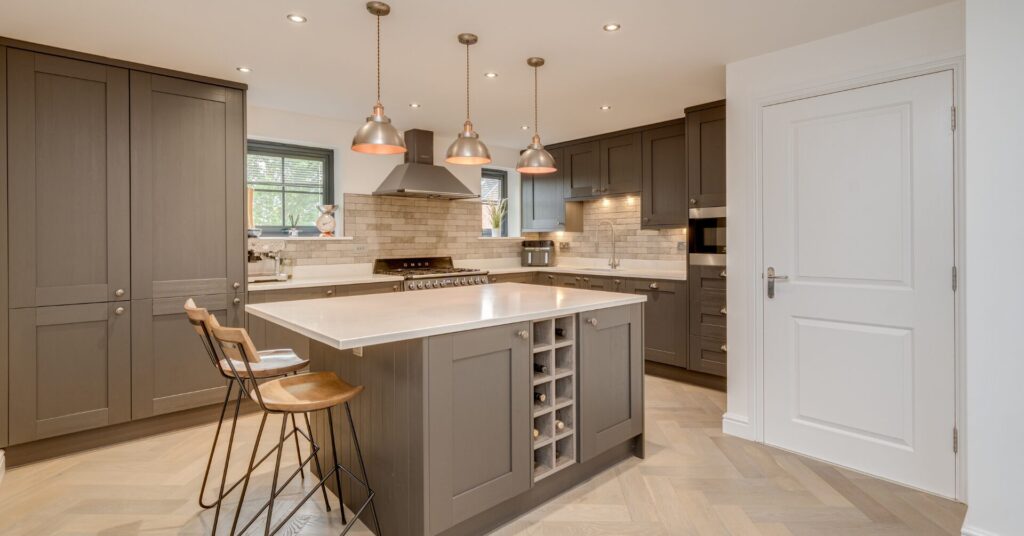
The most common mistake sellers make is doing the wrong things rather than too little. Spending significant sums on a new kitchen before selling is rarely money well spent. Every buyer has their own taste. A brand new kitchen in your style is not necessarily the kitchen they would choose, and it does not always add the value you might expect. If you are considering a significant improvement before you sell, ask us first. We will tell you honestly whether it is likely to be reflected in the price.
What makes a genuine difference is fixing what needs fixing, presenting each room clearly and addressing the things buyers will notice. A room being used as storage should be set up to read as the bedroom or study it is supposed to be. Minor repairs that have been on the list should be done. These are small things that have a disproportionate effect on how a buyer experiences the property.
Think about kerb appeal
The outside of your home is the first thing every buyer sees, in the photographs and on the viewing. In August, with gardens still showing well and natural light at its best, it is the ideal time to photograph a north Leeds home. Cut the lawn. Clear the driveway. Tidy the front garden. Give the front door a fresh coat of paint if it needs it. First impressions are made in seconds and they are very difficult to undo.
Instruct your solicitor before you list
Most sellers do not think about their solicitor until an offer arrives. By then the process is already weeks behind where it could be. Choosing and instructing a conveyancer in August and gathering the relevant documents in advance directly reduces the time between offer and completion. That protects you against the chain delays that cause sales to fall through at the final stage.
Talk to us before you do anything else
The most valuable conversation you can have in August costs nothing. A free market appraisal with Adair Paxton gives you an honest, evidence-based view of what your home is worth in this market and what it will take to sell it well. We can also walk through the property with you and give specific advice on presentation before the photographs are taken, because getting the marketing right from day one is what drives results in those all-important first weeks.
We have been selling homes in north Leeds since 1859. If you are thinking about selling this autumn, we would be glad to help you use August well.